Ghost Hunter Font: A Spooky Display Typeface for Creative Makers
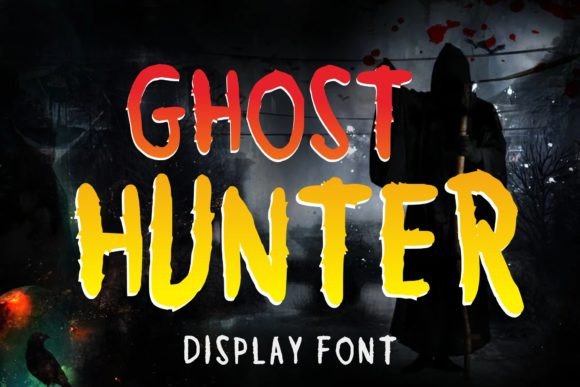
There’s something magical about the right font that transforms a simple design into an eye-catching piece of art. I recently stumbled upon Ghost Hunter, a display font that brings a playful yet eerie charm to every project it touches. As someone who regularly creates handmade products, digital printables, and shop materials, I was immediately drawn to its unique personality — perfect for adding that extra touch of spookiness or whimsy to seasonal items.
Ghost Hunter on Candle Labels Adds Personality to Every Flame
One morning, I was designing new candle labels for my fall collection when I realized the font I had chosen just wasn’t capturing the cozy, mysterious vibe I wanted. That’s when I found Ghost Hunter. Its bold, slightly irregular letterforms gave the label a handcrafted look, like it had been written by a ghostly scribe with flair. I paired it with a muted background and some delicate line drawings of autumn leaves, and suddenly the candles felt like they told a story before even being lit.
Because Ghost Hunter is a display font, it shines best in short phrases and names. For candle labels, this means it works beautifully for titles like “Hearth & Haunting” or “Whispering Woods.” The character alternates also helped me customize the text to feel more organic and less mechanical. Just make sure you test how it looks at smaller sizes if you’re printing labels, especially when using cutting machines like Cricut or Silhouette.
Ghost Hunter for Greeting Cards and Seasonal Invitations
I’ve always loved creating greeting cards, but finding the right typography can be tricky. Too formal, and they lose their charm; too casual, and they don’t feel special. Ghost Hunter hit the sweet spot between fun and spooky, making it ideal for Halloween cards, birthday invites, and even holiday tags. When I used it on a set of vintage-style Halloween greeting cards, the letters danced across the page like they were whispering secrets to the viewer.
The font’s playful edge made it stand out against clean sans serif fonts I often use for body text. It’s not the kind of font you want to read long passages with, but as a title or decorative header, it adds intrigue and visual interest. Whether you're working with physical cardstock or digital templates, Ghost Hunter helps your designs pop while maintaining a handmade feel.
Boutique Packaging Design with Ghost Hunter Fonts
Packaging is one of the first things customers see, and I knew I needed something memorable for my latest boutique line. I tried several typefaces before landing on Ghost Hunter, which brought a sense of whimsy and elegance to my gift box wraps and product tags. The irregularity in the strokes gave it an artisanal quality, as if each tag had been crafted individually by hand.
I layered Ghost Hunter over a soft linen texture with minimal color accents, allowing the font itself to become the focal point. The result? A packaging design that feels both premium and personal. It's important to note that Ghost Hunter is a display font, so it’s best reserved for headings or logos rather than body copy. But when it comes to brand identity, it makes a lasting impression — especially if you check the licensing to ensure it supports commercial use.
Creating Farmhouse Signs with Ghost Hunter Typography
Farmhouse signs are a staple in many handmade shops, and I wanted to give mine a fresh twist. Instead of the usual rustic script, I experimented with Ghost Hunter for a few Halloween-themed pieces. The contrast between the font’s edgy, ghostly style and the warm wood grain created a visually compelling mix. One sign read “Welcome to the Haunted Barn,” and the font added just the right amount of mystery without feeling over-the-top.
Using Ghost Hunter in signage projects reminded me why display fonts are so powerful — they command attention and set the tone instantly. If you're working with SVGs or cutting shapes from vinyl, be sure to test how the font holds up at different sizes and spacing. Some characters may require manual tweaking to fit perfectly into your layout, but the payoff is worth it.
Ghost Hunter in Wedding Stationery for Unconventional Vows
Not all weddings are traditional, and for those with a creative or themed celebration, Ghost Hunter could be a great choice. I used it on a set of wedding welcome boards and place cards for a couple who wanted a gothic-inspired ceremony. The font’s elegant curves and dramatic lines gave the stationery a sophisticated yet spooky edge.
For such projects, I recommend pairing Ghost Hunter with a simple serif or clean sans serif font for readability. Use it sparingly for titles or headers, then let another font handle the details. This way, you maintain the visual impact of Ghost Hunter without overwhelming the rest of the design. Always double-check the file formats included (like TTF or OTF) to ensure compatibility with your design software.
Printable Wall Art Featuring Ghost Hunter Fonts
Designing printable wall art requires a balance between creativity and clarity. I found that Ghost Hunter worked well for short, impactful phrases — think of quotes like “Beware the Moonlight” or “Where the Shadows Play.” These kinds of messages benefit from a strong typographic presence, and Ghost Hunter delivers exactly that.
I layered the font over watercolor textures and soft gradients, letting the letters take center stage. The result was a modern yet mysterious aesthetic that appealed to customers looking for something different. Because Ghost Hunter is a display font, it’s not suitable for long paragraphs, but it’s perfect for minimalist prints where the typography is the main feature.
Ghost Hunter for T-Shirts and Merchandise with a Whimsical Twist
When I started designing a batch of Halloween-themed t-shirts, I knew I wanted something that stood out. Ghost Hunter was the answer. Its quirky, almost hand-lettered appearance made it ideal for phrases like “I’m Here to Hunt You” or “The Haunting Never Ends.” The font’s distinctiveness helped the shirts feel like collectibles rather than generic merchandise.
Since these were going to be printed on cotton fabric, I focused on legibility in larger sizes. I also took advantage of any ligatures or alternate characters included in the font to add subtle variations to the design. For commercial sellers, verifying that the font license allows for textile printing is essential. Once confirmed, Ghost Hunter can help your products stand out in a crowded market.
Shop Branding with Ghost Hunter Display Fonts
Brand identity is everything in the handmade world. I began incorporating Ghost Hunter into my shop’s branding for seasonal collections. It became part of the visual language for my haunted forest theme, appearing in headers, social media graphics, and even as part of my logo. The font’s spooky yet approachable vibe resonated with customers who were looking for something a little different.
Display fonts like Ghost Hunter can help create a consistent look across your shop. I used it for product previews, listing images, and even as part of the website banner. The key is to keep the supporting elements simple so the font doesn’t get lost. Pairing it with muted colors and natural textures really enhanced its charm.
Planner Pages and Digital Downloads with Ghost Hunter Flair
Digital planners and printables are big in the handmade community, and typography plays a huge role in their appeal. I used Ghost Hunter for decorative headers and calendar titles in a set of autumn planner pages. The font added a nostalgic, hand-crafted feel that customers loved.
When working on digital downloads, it’s crucial to ensure the font renders clearly across different devices and screen sizes. I tested various weights and styles (if available) to find the most versatile version for preview images. Since Ghost Hunter is optimized for display use, it’s best suited for titles and callouts rather than large blocks of text. However, it can still be a powerful tool in guiding the mood of your entire design.
Font Pairing Tips for Ghost Hunter Projects
Working with Ghost Hunter as a display font means thinking carefully about how it interacts with other typefaces. Here are a few practical combinations I’ve found effective:
- Clean Sans Serif: Great for balancing the ornate style of Ghost Hunter with straightforward body text.
- Simple Serif: Offers a classic contrast, useful for invitations and editorial layouts.
- Handwritten Script: Complements the whimsical nature of Ghost Hunter, especially in greeting cards and tags.
- Bold Display Fonts: Can work alongside Ghost Hunter for layered text effects, though avoid competing styles.
Remember, Ghost Hunter isn’t meant to be the only font in your design — it should be the star, with others playing supporting roles. Always consider the overall message and audience when choosing pairings.
Readability and Practical Considerations for Small Designs
While Ghost Hunter is visually stunning, it’s important to remember that it’s a display font, not a body font. That means it works best in headlines, logos, and decorative text. For small stickers or product tags, test the font at different sizes to ensure it remains clear and legible.
If you're using it for digital downloads, make sure the preview image accurately represents how it will look once printed or displayed. I sometimes adjust the spacing manually to prevent overlapping characters, especially when scaling down for small cuts or labels. Also, always verify the font includes the necessary glyphs for your language and symbols to avoid missing characters in production.
Ghost Hunter in Seasonal Craft Projects
As the seasons change, so does the need for new designs. Ghost Hunter has become a go-to font for my fall and winter collections. On holiday tags, it reads like a secret whispered from the past. For Halloween decorations, it feels alive with mischief. And in Christmas printables, it adds a touch of whimsy to festive greetings.
Each time I bring it into a new project, I discover a new way to let it shine. Whether it’s layered over a dark background for contrast or paired with gold foil accents for a luxury feel, Ghost Hunter adapts beautifully to different moods and themes. It’s the kind of font that feels like it belongs to the project — not just placed there randomly.
Commercial Font Licensing and Shop Readiness
Before using Ghost Hunter for any commercial product — whether it’s a greeting card, a tote bag, or a digital template — I always check the font’s licensing agreement. Display fonts can vary widely in terms of what they allow, and understanding the rules is key to staying compliant and professional.
Some versions include multilingual support, which is helpful if you're selling internationally. Others offer additional weights or swashes for more versatility. I’ve learned that knowing what’s included helps me choose the right font for each project and avoid last-minute surprises when preparing for print or digital sales.
Why Ghost Hunter Fits the Modern Maker’s Toolkit
In the world of handmade and digital product creation, typography can make or break a design. Ghost Hunter stands out because it’s not just another display font — it’s a statement. From product labels to signage, from invitations to wall art, it brings a sense of storytelling to your creations.
Its spooky yet fun aesthetic is versatile enough to adapt to multiple niches, but specific enough to feel unique. As a maker, I appreciate how it elevates the perceived value of my work. Customers might not realize they’re drawn to a particular font, but they definitely notice when it adds the right mood to a product.
Testing Ghost Hunter in Real-World Scenarios
To ensure Ghost Hunter would work for all intended uses, I ran through a few real-life tests:
- Sticker Sheets: Printed on glossy paper and cut with Silhouette, the font held up well in small sizes.
- Mug Prints: Used in a single-line phrase at the top of the design, it looked crisp and inviting.
- Wall Art Mockups: Worked beautifully in combination with abstract backgrounds and negative space.
- Product Tags: Added a charming touch to handmade soap and candle tags, especially when paired with a handwritten script.
These experiments showed me that Ghost Hunter thrives in environments where visual impact matters most. It’s a font that commands attention and tells a story — two qualities that every successful handmade seller needs.
Final Thoughts on Using Ghost Hunter for Creative Shops
Fonts are more than just tools — they’re collaborators in your creative process. Ghost Hunter has become one of my favorite display fonts for its ability to evoke emotion and elevate design quickly. Whether you’re making physical products like candles and mugs or digital assets like printable art and invitations, it brings a unique energy that sets your work apart.
I encourage every maker, designer, or shop owner to explore what Ghost Hunter can do for their next project. It’s not just about aesthetics — it’s about connecting with your audience in a meaningful way. And sometimes, that connection starts with a single word, written in the perfect font.